
 Science fairs are full of clever prototypes. What families can use is rarer: an idea that left the classroom, became a company, and started touching real shelves, farms, or factories. Here are a few of those — plus the honest line that most student projects are not in every shop yet.
0 Comments
 At the 2026 TeslaTech ExtraOrdinary Technology Conference in Albuquerque, researchers and inventors shared work on energy systems, resonance, gravity concepts, and new approaches to long-standing problems. One of the keynote speakers was Dr. David E. Martin.
Martin is known for challenging how we measure and model reality. In his TeslaTech talk he also described technology he says is already operating commercially. Part 3: Sound as Medicine — How Frequency Affects Blood Cells and the Body’s Healing Response8/17/2026  In the first two parts of this series we followed acoustic physics researcher John Stuart Reid from his early engineering work, through the invention of the CymaScope, and into the unexpected healing experience he had while conducting experiments inside the King’s Chamber of the Great Pyramid.
That experience set him on a long investigation into a practical question: Can sound and music measurably influence living cells and the body’s capacity to heal?  In 1996 and 1997, acoustic physics researcher John Stuart Reid conducted a series of experiments inside the King’s Chamber of the Great Pyramid at Giza. He is one of only two people known to have studied the acoustics of that space in depth.
What happened there changed the course of his life — and opened a new chapter in the science of sound.  In a world where science and spirituality are finally beginning to speak the same language, few voices bridge the gap as elegantly as acoustic physics researcher John Stuart Reid.
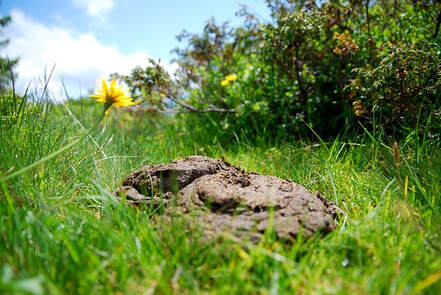 In some cultures, cow dung has been a valuable commodity for many years. Used as an alternative for firewood, wall plaster and sometimes even medicine, this free resource is now being converted into clean energy fuel for diesel-thirsty tractors in the farming industry.
 Photo credit: Pixabay The world around us becomes more polluted and overpopulated; vehicles continue to emit toxins into the atmosphere. The levels of air pollution we breathe are becoming more dangerous. Currently, 9 out of every 10 people breathe polluted air, which annually leads to 7 million deaths.
 Life-giving energies harnessed by the pyramid had a significant regenerating effect on the land and all the products stored inside: from wines and seeds to fruits and vegetables.
 When researching archaeological sites located in a largely populated area, you have to decide where to excavate to get the best results. Here, ground-penetrating radars (GPRs) will come to help scientists! This technology has been used by the military since the 1970s and became available approximately in the mid-1980s.
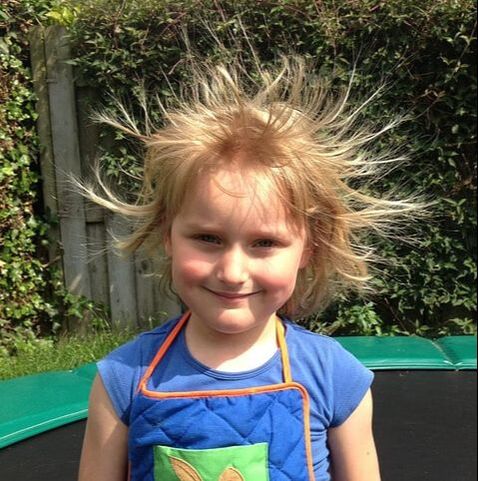 An important aspect of engaging younger kids towards science is to add the element of fun in the learning process. Younger kids in the age group of 5-7 are inquisitive about the world around them. They want to experience new things and learn from them through exploration. This curiosity in kids can be used positively by involving them in DIY science projects. We will highlight this point by using an example science project with a clear learning outcome.
|
Author
Phoenix Voyagers Archives
September 2026
CategoriesVisit our other blogs!




|
 RSS Feed
We believe the Earth is a living planet. This channel shares positive stories, practical solutions,
and uplifting media to help us live in better harmony with her. All rights reserved.
and uplifting media to help us live in better harmony with her. All rights reserved.